

A Tradition That Quietly Lives in Every Home
There are some traditions that feel so deeply woven into our lives that we stop noticing how meaningful they really are. The presence of a murti in a home is one of those quiet, powerful traditions. Whether it’s a small brass Ganesha idol near your doorway or a beautifully carved Lakshmi kept in the prayer corner, a murti isn’t just an object; it becomes a part of the home’s energy.
A Familiar Source of Calm and Connection
In many Indian households, setting up a murti is one of the first things done after shifting into a new place. Something is reassuring about it, something grounding. Even people who don’t follow regular rituals often feel a sense of calm when they light a diya in front of the deity they’ve grown up seeing. That familiarity, the gentle reminder of culture, family, and roots, is what makes a murti more than an artistic piece.
How Murtis Bring the Divine Closer
When you look at history, the idea of a murti has always been connected to making the divine feel close and accessible. Temples, homes, and small shrines all use murtis as a way to create a space where devotion feels personal.The material itself doesn’t define its significance. Over centuries, artisans have carved murtis from stone, cast them in metals like brass and bronze, shaped them in clay during festivals, and even crafted wooden figures in regional styles. Each material brings its own character, but the intention behind it remains the same: to create a form that helps devotees focus their prayers and feelings.
Different Regions, Different Artistic Styles
What’s interesting is how different regions in India have their own way of interpreting divine forms. A South Indian Brass Ganesha looks very different from a Rajasthani wooden carving or a Bengal clay idol. Yet, despite the variation in style, the emotional connection people feel toward these murtis is universal. They are symbols of protection, guidance, gratitude, and hope.
Murtis That Carry Family Memories
In many families, murtis are passed down from one generation to another. You hear stories of grandparents polishing the same brass murti for decades or preserving a small stone idol brought from a temple visit long ago. These pieces carry memories along with tradition. They become part of the story of the home.
How Murtis Influence Everyday Rituals
Over time, the presence of a murti shapes household routines. It may begin with something as simple as lighting incense in the morning, offering flowers, or saying a short prayer before stepping out.
These small acts bring a rhythm to life. They remind us to pause, breathe, and reconnect with ourselves. In a world that moves faster each year, that pause becomes precious.
The Special Role of Murtis During Festivals
During festivals, the role of murtis becomes even more central. People decorate the altar, bring out special lamps, arrange fresh flowers, and sometimes even add temporary clay idols made specifically for celebrations.
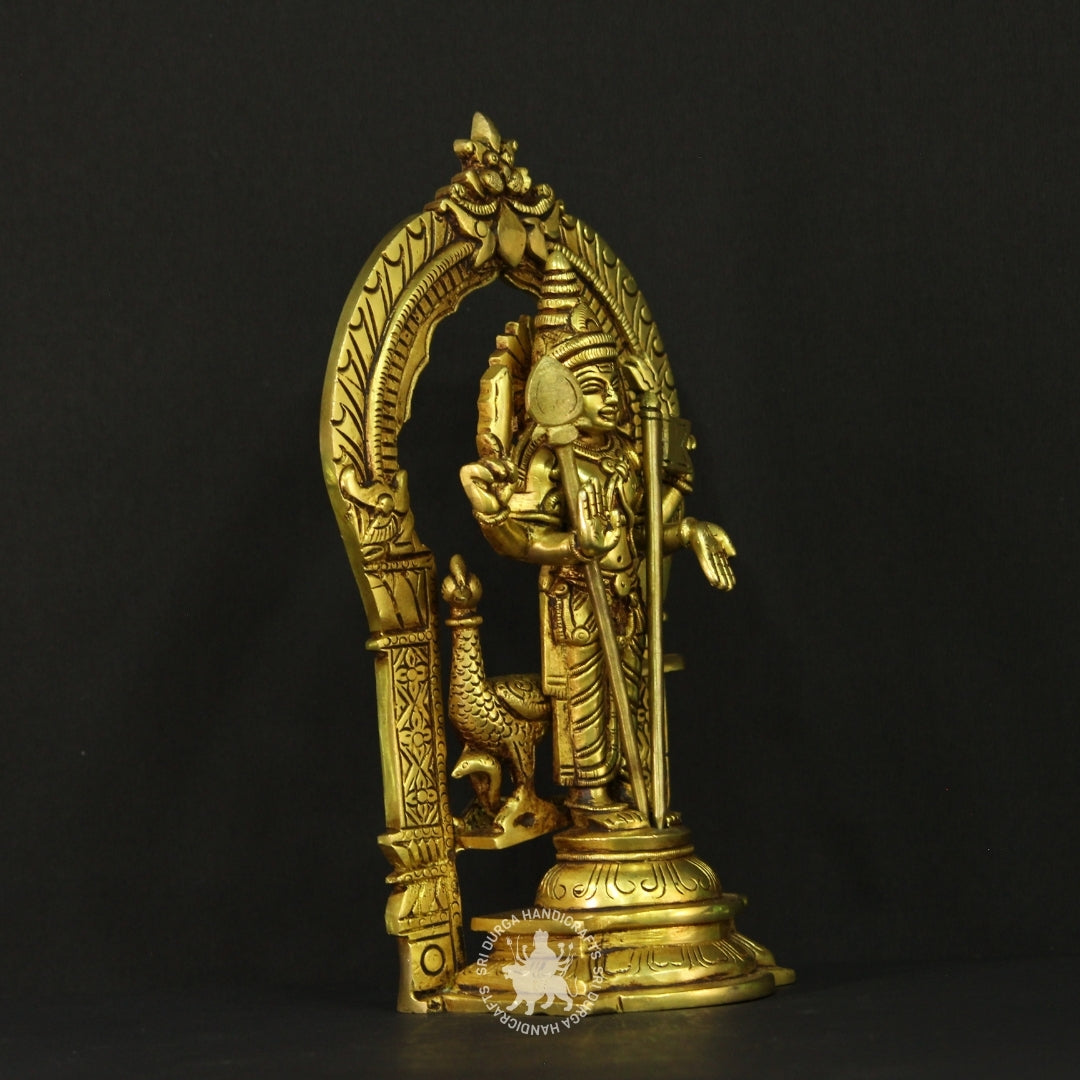
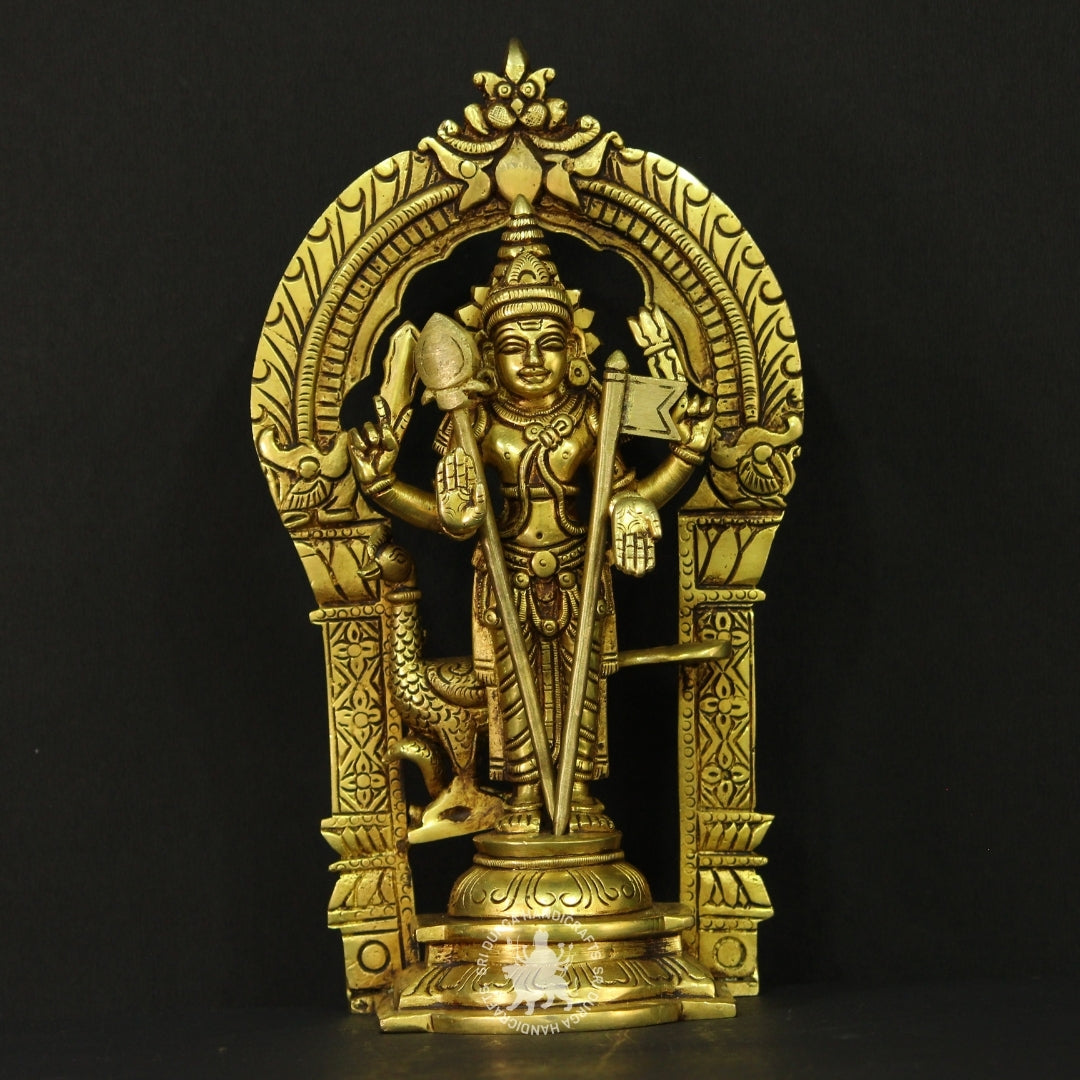
Whether it’s a Murugan idol during Skanda Sashti or a Lakshmi idol during Diwali, the ritual of preparing the space for worship becomes a celebration in itself.
Where Craftsmanship Meets Devotion
One of the most beautiful things about murtis is how they blend spirituality with craftsmanship. Every curve, expression, and detail reflects the artisan’s devotion and skill.
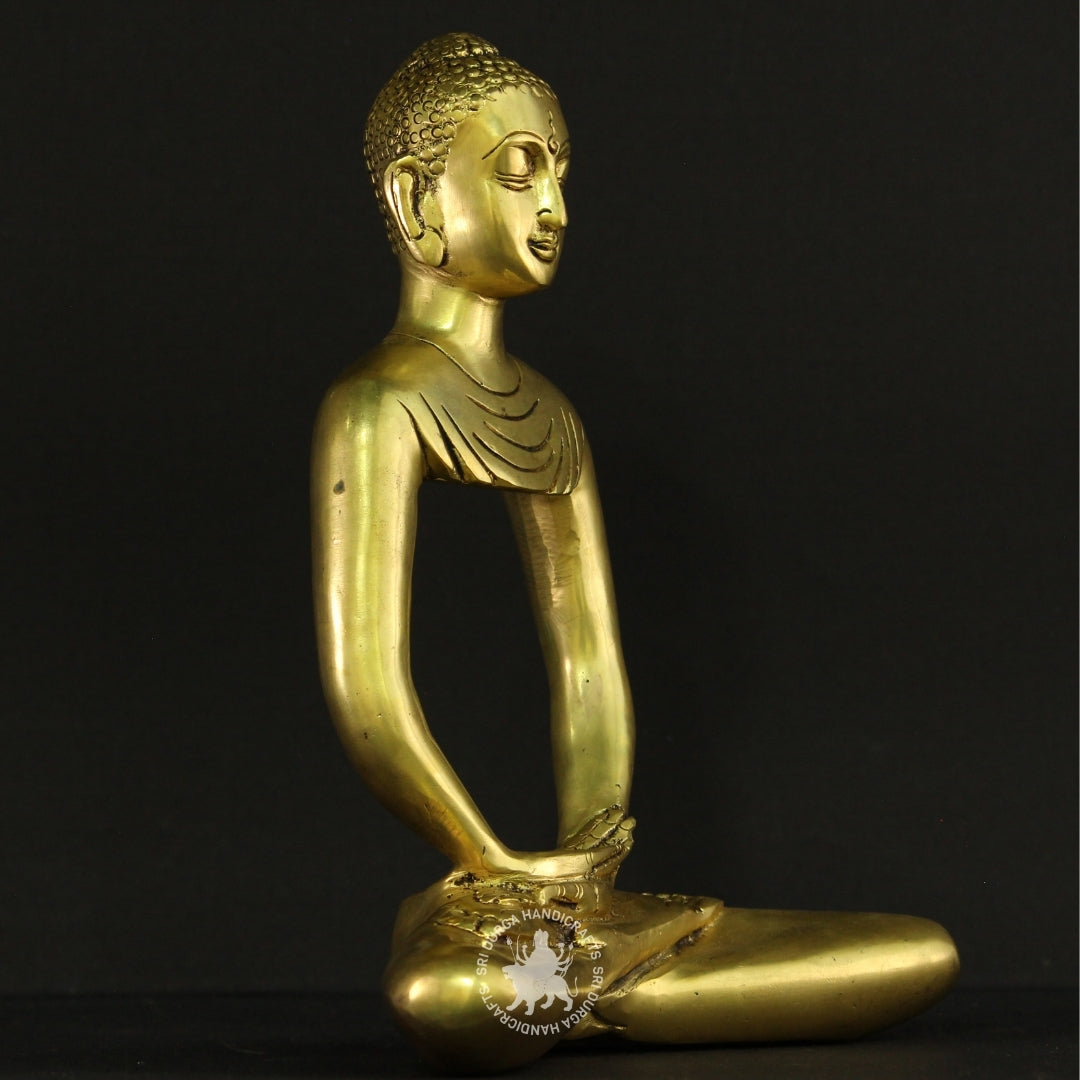
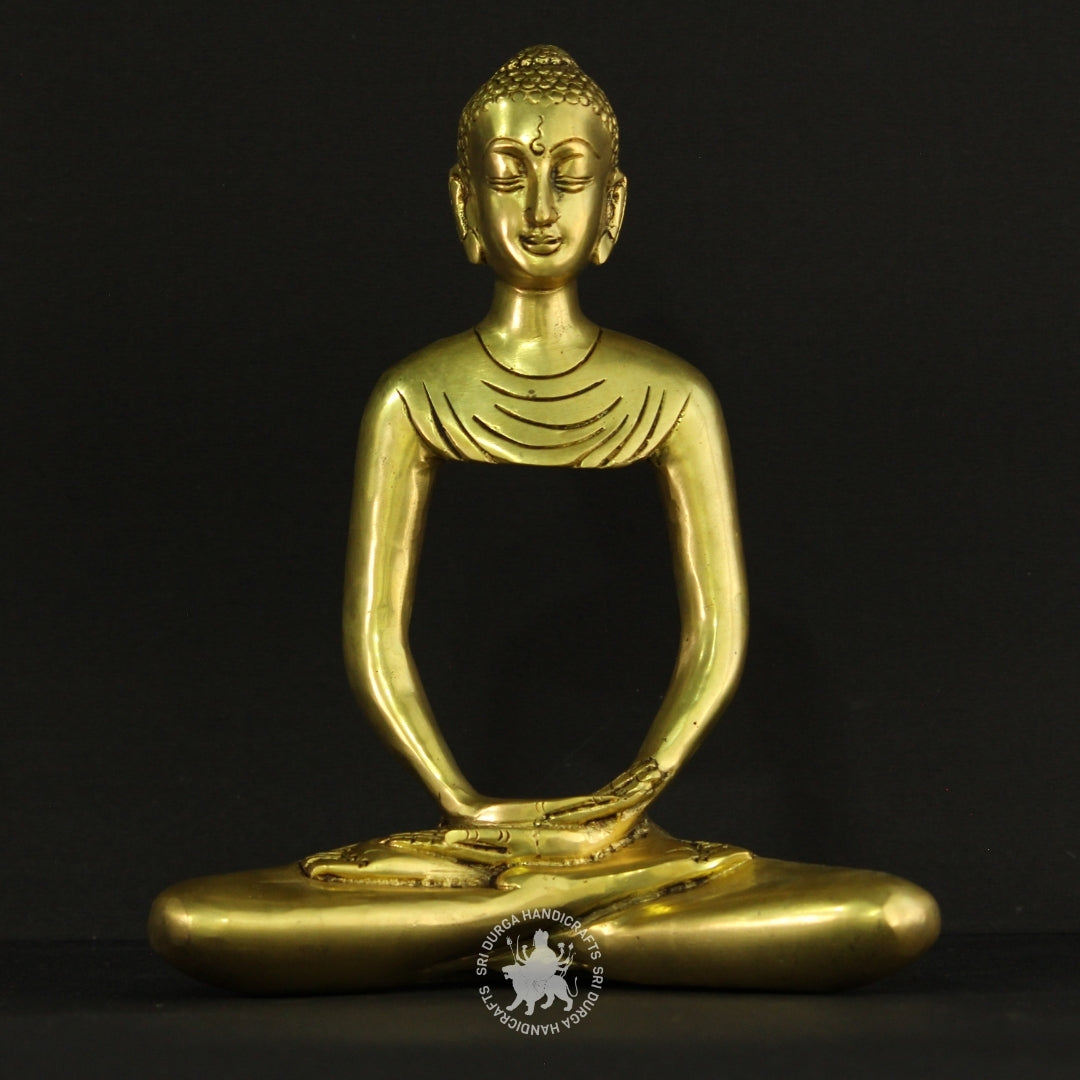
When you look closely at a brass murti, the careful engraving, the symmetry of the ornaments, and the smooth finish all tell the story of the hands that shaped it. Even simple clay idols hold a raw, earthy charm that connects you to tradition in a different way.
Choosing a Murti That Feels Right for the Home
For many people today, choosing a murti is a thoughtful process. It’s not about buying something decorative, it’s about finding a piece that feels right, one that brings peace the moment you look at it. Sometimes it’s a deity they’ve grown up worshipping, and sometimes it’s a form they feel connected to personally.
A Quiet Companion in the Journey of Life
In the end, a murti becomes a quiet companion in the home. It watches over the family, absorbs their prayers, and stands witness to their joys and challenges.
And even when life gets busy, even when routines get disrupted, one look at that familiar divine form can create a moment of stillness, a reminder that some things in life remain steady, comforting, and sacred.