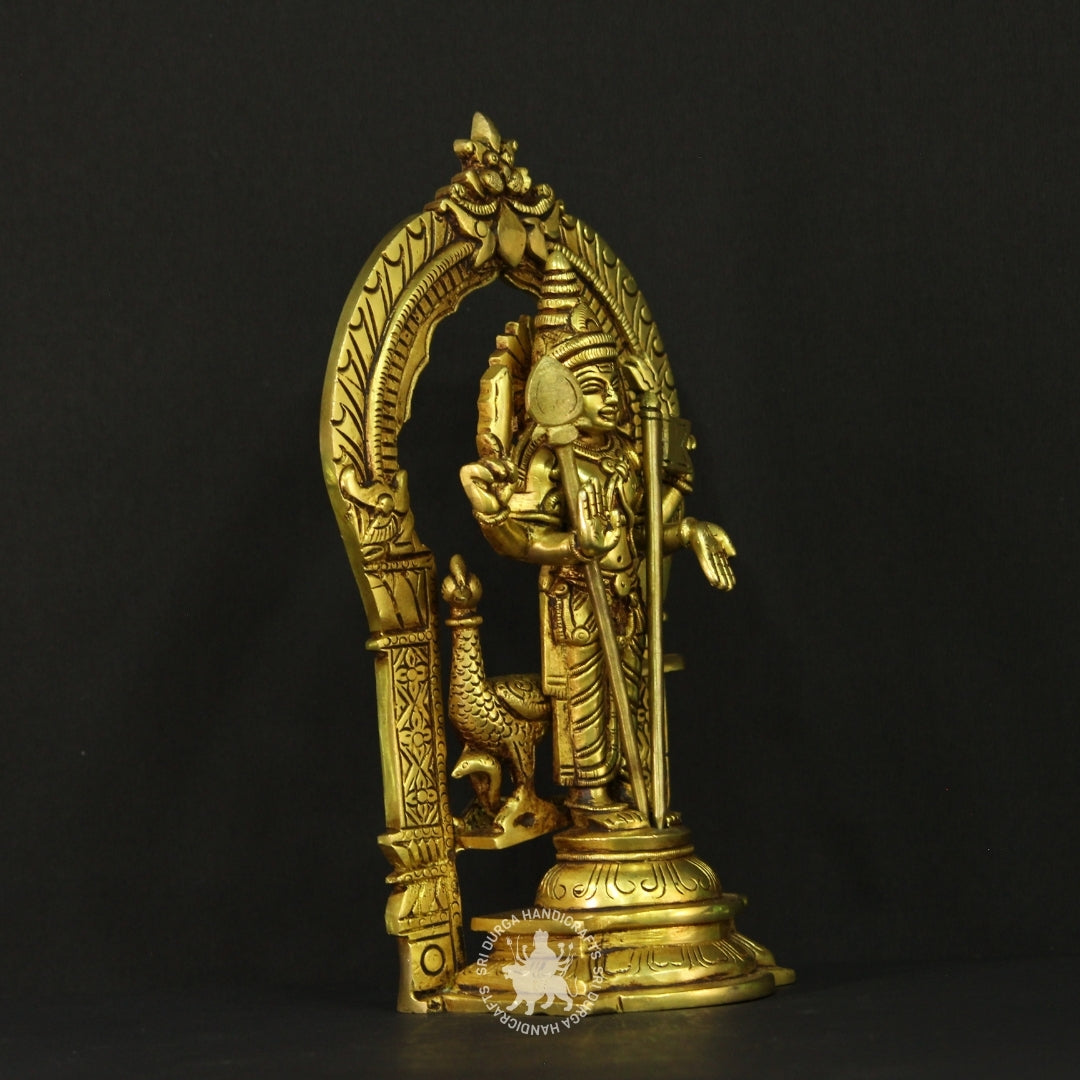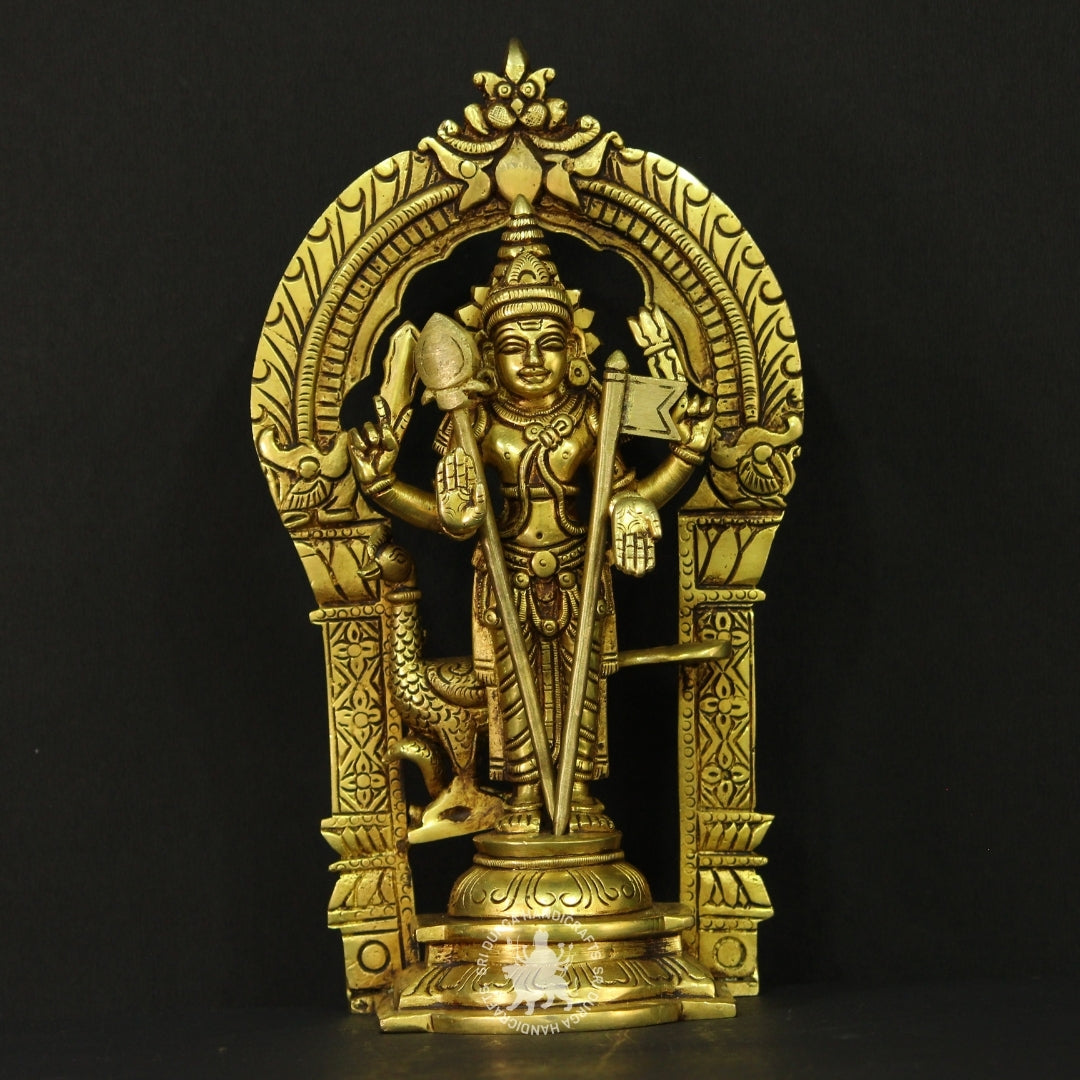


Walk into ten Indian homes, and you'll probably spot a brass Ganesha by the door and a Lakshmi idol near the puja shelf. Ask the same ten families about Kubera, and most will pause. Some will vaguely recall the name from a mythology class. Very few will know that this is the actual god of wealth in Hindu tradition, the treasurer of the gods himself, and that a small brass Kubera idol kept the right way at home is considered one of the most powerful, and most overlooked, tools for inviting financial stability.
This isn't a criticism of the families who skip him. It's just that Lakshmi gets all the spotlight, and Kubera quietly works in the background, the way an accountant works behind a business owner. But once you understand who he is and why brass matters so much in his worship, it's hard to look at that empty corner of your home the same way again.

Who Exactly Is Kubera?
In Hindu scripture, Kubera is the king of the Yakshas and the guardian deity of the north direction. He isn't a minor figure, he's described as the keeper of all the earth's treasures, appointed by Brahma himself to guard wealth, and he rules over Alakapuri, a city said to be built entirely of gold. Where Lakshmi represents the flow and grace of wealth, Kubera represents its accumulation, protection, and disciplined management. Think of Lakshmi as the money that arrives, and Kubera as the vault that keeps it from leaking out.
That distinction matters more than people realize. A lot of households pray for money to come in but never address why it keeps going out just as fast. That's traditionally seen as Kubera's domain, not attraction, but retention.
Why Brass, Specifically?
You'll find Kubera idols in gold, silver, clay, and stone, but brass has held a special place in Indian homes for centuries, and not just for aesthetic reasons.
-
Symbolism of metal: Brass is an alloy of copper and zinc, and in Vedic thought, metals aren't neutral materials; they carry energetic properties. Brass is associated with the planet Jupiter (Guru), the very planet linked to prosperity, wisdom, and abundance. A brass murti is believed to naturally align with these Jupiterian qualities.
-
Durability and tradition: Unlike clay, brass doesn't erode. Unlike gold or silver, it doesn't invite anxiety about theft or excessive expense. It has historically been the metal of everyday ritual objects, lamps, kalash, idols, because it's sturdy enough to be handed down for generations.
-
Affordability without dilution of sanctity: A family doesn't need to save up for a solid gold idol to worship Kubera properly. Brass Kubera statues make this deity accessible to households of every budget, which is part of why temple artisans have used the metal for this particular god for so long.
Where and How to Place a Brass Kubera Idol at Home
Vastu Shastra, the traditional Indian science of space and direction, has fairly specific guidance when it comes to Kubera placement:
-
Direction matters most. The north direction is considered Kubera's own, so placing the idol in the north zone of the living room or puja room is considered ideal. The northeast is the second-best option, since it's associated with the confluence of positive energies in Vastu.
-
Height and orientation. The idol is typically placed at a moderate height, not on the floor, and ideally facing the entrance of the room rather than a wall, so it "oversees" the space.
-
Pairing with Lakshmi and Ganesha. Many households place a small Kubera murti alongside Lakshmi-Ganesh idols, since this trio is traditionally worshipped together, especially around Diwali. The idea is straightforward: Ganesha removes obstacles, Lakshmi brings prosperity, and Kubera safeguards it.
-
Cleanliness of the space. Because Kubera governs discipline and order, Vastu practitioners generally advise keeping the surrounding area clutter-free. An idol surrounded by mess is thought to work against its own symbolism.
-
Avoid the bedroom or bathroom. Like most deity idols, Kubera is traditionally not kept in bedrooms, especially not facing the bed, or near bathrooms, spaces considered energetically unsuitable for worship items.
Kubera Puja: A Simple Home Ritual
You don't need elaborate rituals to include Kubera in your daily or weekly worship. A basic Kubera puja at home typically involves:
-
Lighting a diya (traditionally with sesame or mustard oil) in front of the idol
-
Offering a few grains of rice, a flower, or a small sweet
-
Reciting the Kubera mantra, the most common being "Om Yakshaya Kuberaya Vaishravanaya Dhana Dhanyadhipataye…"; even a short, sincere chant is considered meaningful
-
Lighting incense on Thursdays specifically, since the day is ruled by Jupiter, Kubera's associated planet
Many families also perform a slightly more elaborate version on Dhanteras, the day before Diwali dedicated to wealth and prosperity, treating it as an annual renewal of the household's relationship with financial discipline.
The Bigger Lesson Hiding in This Tradition
Strip away the ritual for a second, and there's something almost practical about what Kubera represents. He isn't the god of luck or windfalls. He's the god of stewardship, the deity connected to budgeting, guarding resources, and not letting wealth slip through careless hands. In a culture that often worships the arrival of money, Kubera is a quiet reminder that what you keep matters as much as what you earn.
That's probably the real reason so many households eventually add a brass Kubera idol to their home, not because they expect a miracle, but because the presence of the idol becomes a small, daily nudge toward financial mindfulness. A visual cue, in a sense, standing in the north corner of the room, asking a simple question every time you glance at it: are you protecting what you already have?
Final Thoughts
Kubera may not be as widely worshipped as Lakshmi or Ganesha, but his role in the Hindu wealth trinity is arguably just as essential. A brass Kubera statue, placed thoughtfully in the north or northeast of your home, isn't just a decorative or devotional object; it's a centuries-old symbol of discipline, protection, and mindful abundance. For a god of wealth this important, it's surprising how few people know to bring him home. Perhaps it's time more households did.