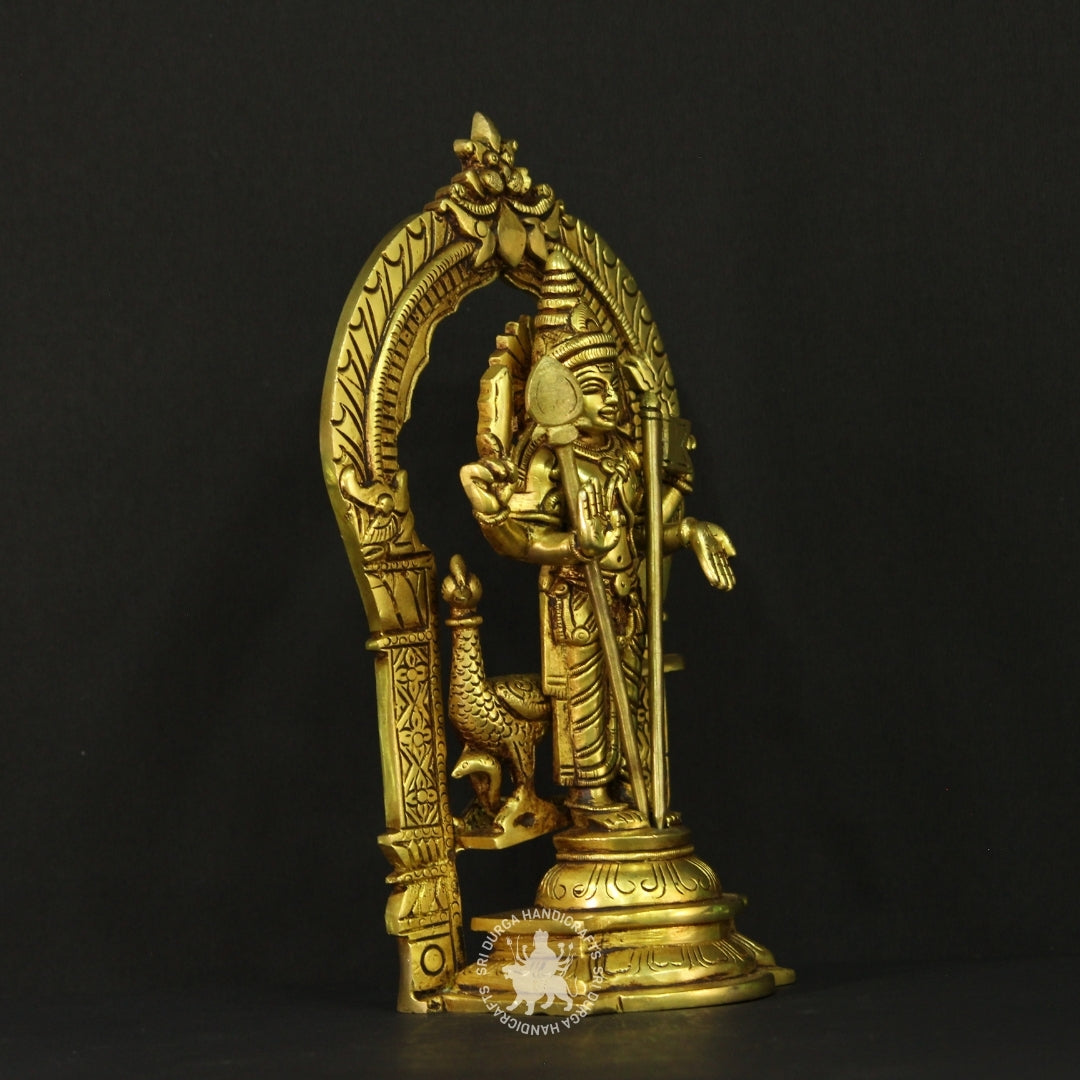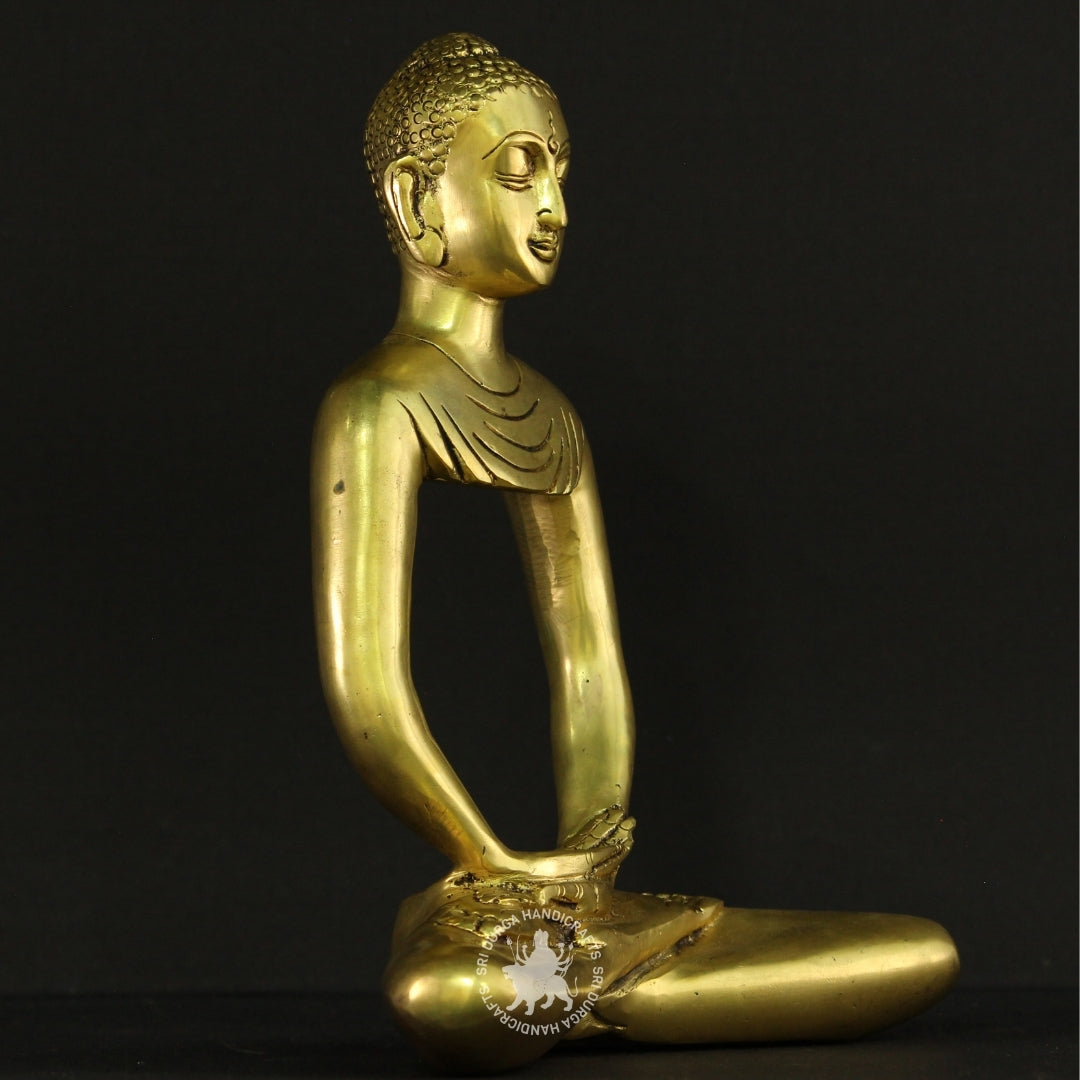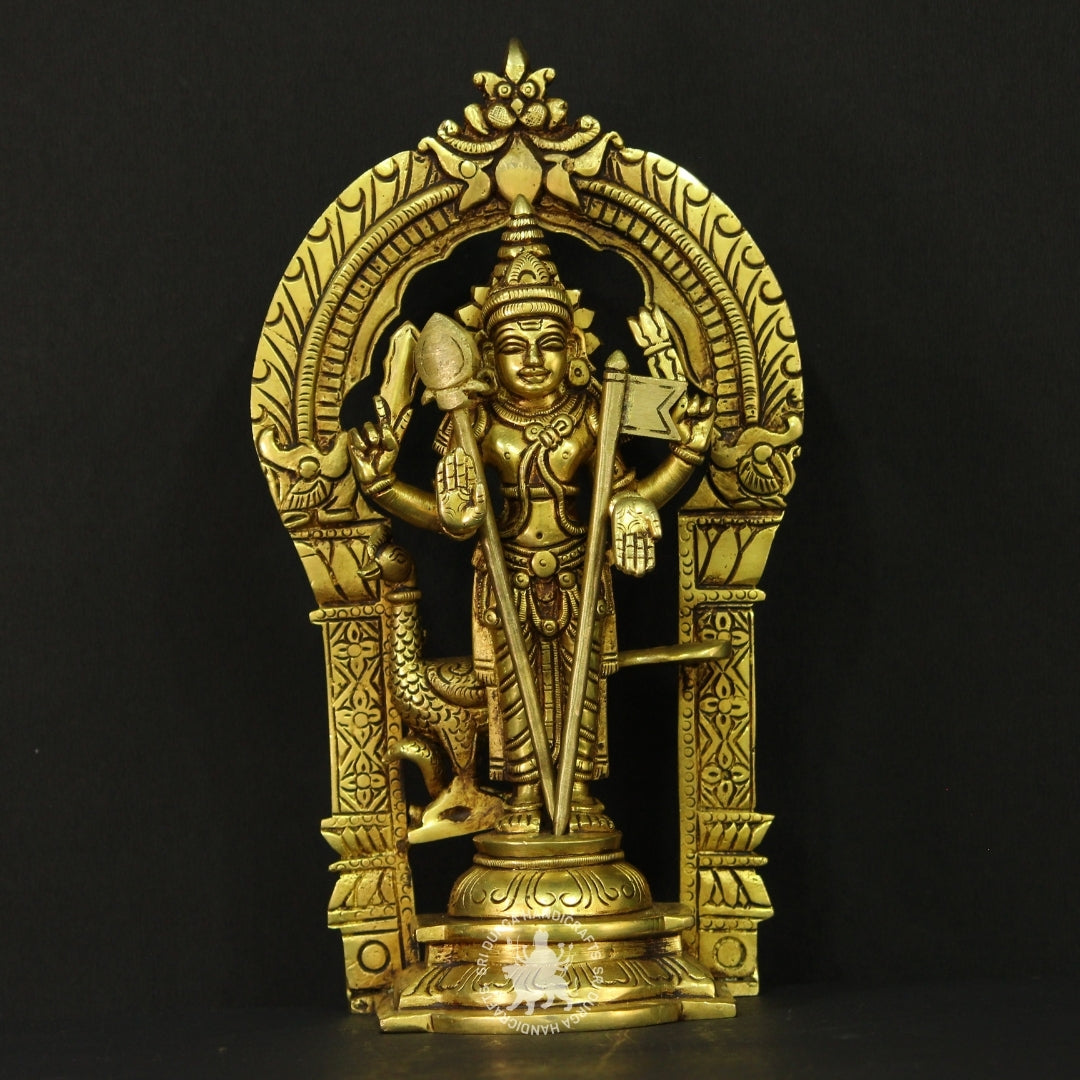

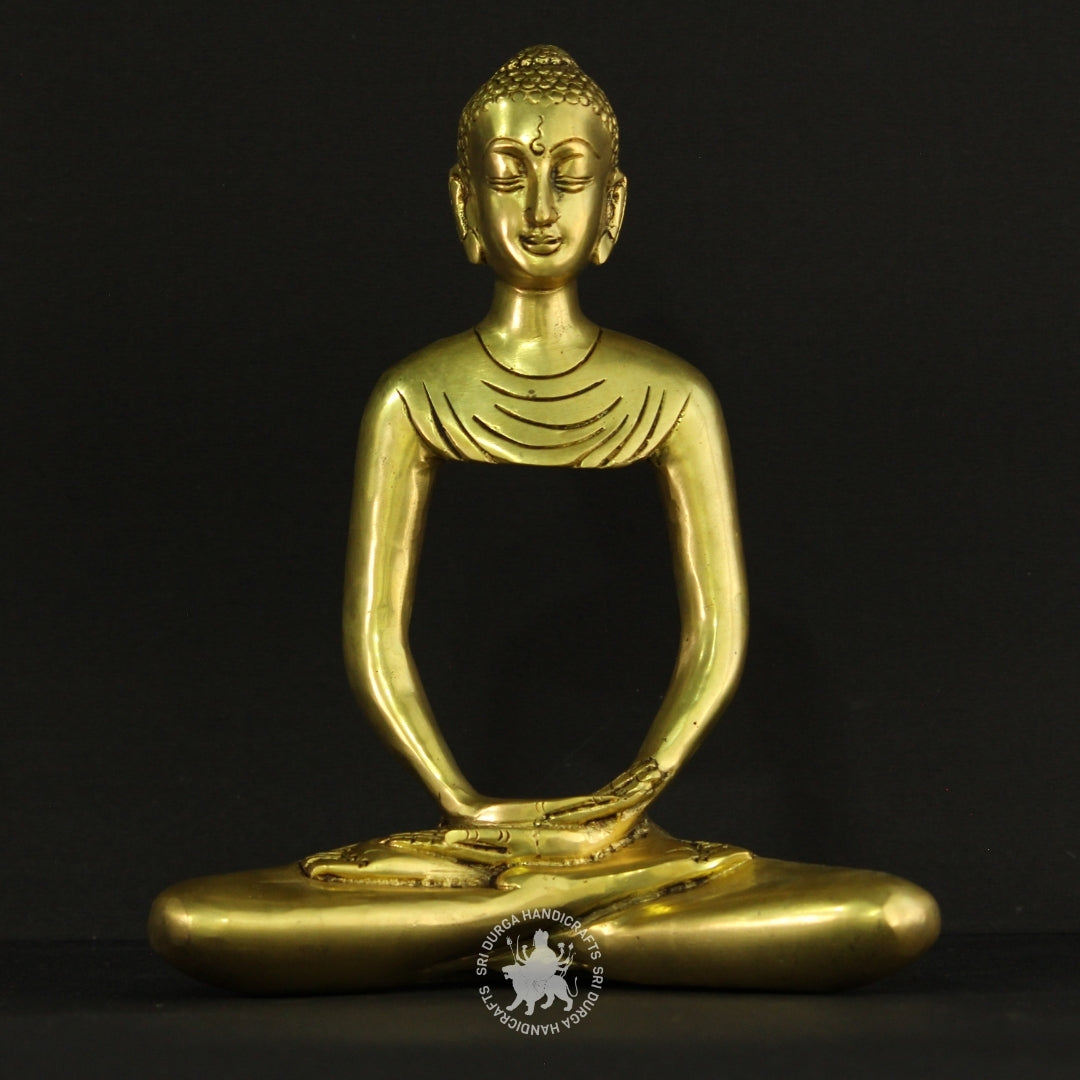

There are certain memories that don't fade with time, they just settle deeper into who you are. One of mine is the sight of my grandmother standing guard over her small shelf of brass idols, watching every visitor's hands like a hawk before they dared reach for one. As a child, I thought it was simply an old woman's quirk. As an adult, I understand it was so much more.
The Ritual Before the Ritual
In our house, the pooja room wasn't just a corner with statues, it was the heart of the home. And my grandmother treated the brass idols inside it with a kind of reverence I rarely saw her extend to anything else. Before anyone, family or guest, could light a lamp or offer flowers, she'd say the same thing every single time: "Wash your hands first."
It wasn't a suggestion. It was law.
I remember visiting relatives, freshly arrived after a long train journey, being gently but firmly steered toward the sink before they were even allowed to say a proper hello to the gods. My grandmother didn't care if you were tired, hungry, or in a hurry. Cleanliness, in her world, came before convenience.
More Than Just Hygiene
For years, I assumed this was purely about germs. Brass, after all, tarnishes easily, and oils from human skin can leave marks that dull its shine. That part is true, brass is a reactive metal, and sweat, dirt, or even hand lotion can accelerate corrosion over time.
But my grandmother's reasoning went deeper than metallurgy.
She believed that purity wasn't just physical, it was spiritual. To her, washing your hands wasn't only about protecting the metal; it was about approaching something sacred with intention. You don't walk into someone's home with muddy shoes, she'd say, so why would you touch a deity with hands carrying the dust of the outside world?
It was her quiet way of teaching mindfulness before it became a buzzword. A pause. A reset. A moment to shift from the chaos of daily life into stillness, however brief.
The Weight of Tradition
Every family has its own version of these unspoken rules, the things that seem small to outsiders but carry enormous meaning to those who grew up with them. For my grandmother, the brass idols weren't decorative objects. They were inherited from her own mother, passed down like fragile threads connecting generations of women who prayed in the same spot, lit the same kind of oil lamps, and whispered the same prayers into the quiet of early mornings.
Touching them carelessly would have felt, to her, like disrespecting that entire lineage.
I used to roll my eyes a little at how strict she was about it. Now, having lost her, I find myself doing the exact same thing with the very idols she left behind. I catch myself saying the same words to my own children, "Wash your hands first", and in that moment, she doesn't feel so far away.
What I Understand Now
Looking back, I think my grandmother's insistence on washing hands before touching the brass idols was never really about rules for the sake of rules. It was about respect, for the metal, for the tradition, and for the invisible thread of faith that held our family together across decades.
It taught me that rituals, even the small ones, aren't meaningless. They're small acts of care that force us to slow down in a world that never stops rushing. They remind us that some things, whether it's an old brass idol or a memory of someone we loved, deserve to be approached gently, and with clean hands.
So now, when I open the little cupboard where her idols still sit, polished and quiet, I wash my hands first. Not because I'm afraid of tarnishing the brass.
But because some habits are really just love, disguised as instruction.