

Walk into ten Indian homes, and you'll probably find ten different pooja rooms, some tiny corner shelves, some entire dedicated spaces. But one debate keeps coming up no matter the size of the space: should you go with a brass idol or simply frame a photo of your favourite deity and hang it on the wall?
At first glance, a photo seems like the easier choice. It's cheaper, lighter, and takes two minutes to put up. But once you actually live with your pooja room for a few years, you start to notice why so many families, old and new, keep coming back to brass idols for their daily worship. Here's a closer, more honest look at why.
1. Brass Idols Are Built to Last Generations
A photo fades. The colours dull, the glass gets foggy, silverfish sometimes damage the paper behind the frame, and within a decade or two, most photo frames need replacing. A well-made brass idol, on the other hand, can easily outlive you. Brass is a sturdy alloy of copper and zinc, and with a little regular cleaning, an idol can stay in near-perfect condition for fifty, even a hundred years. It's not unusual to find antique brass idols being passed down from grandparents to grandchildren, carrying decades of prayers and memories in a way a printed photograph simply can't.
2. There's a Tactile, Sculptural Presence to Idols
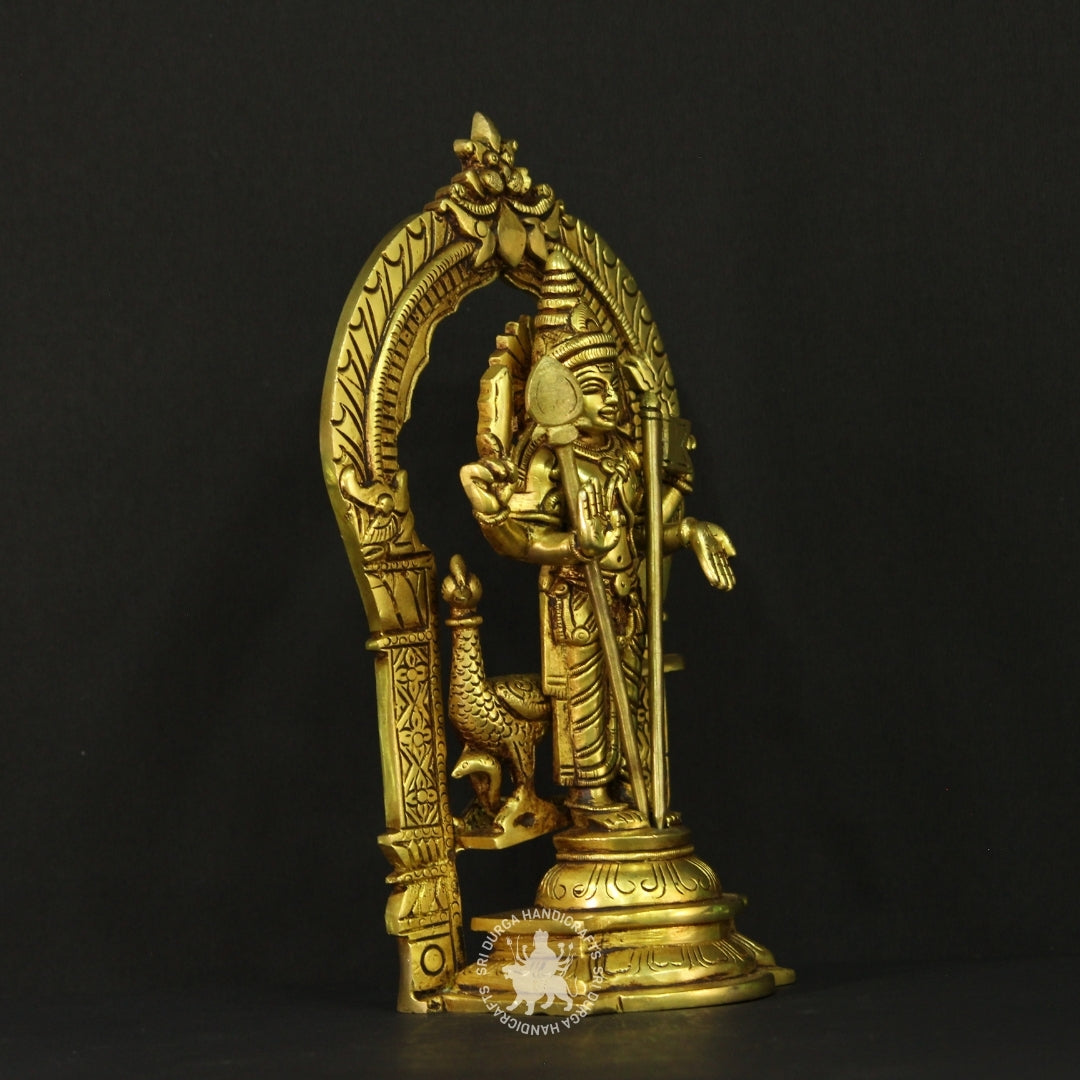
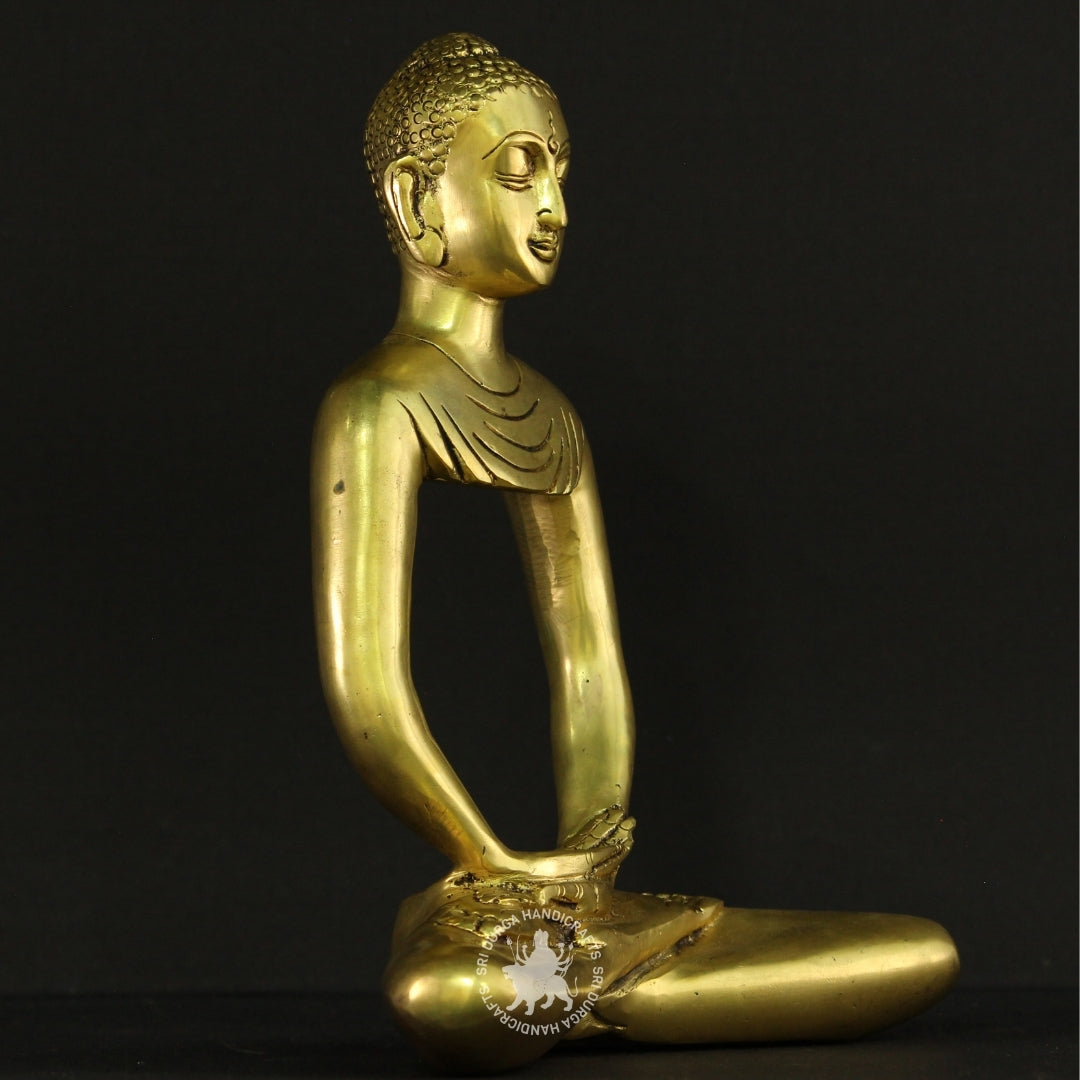
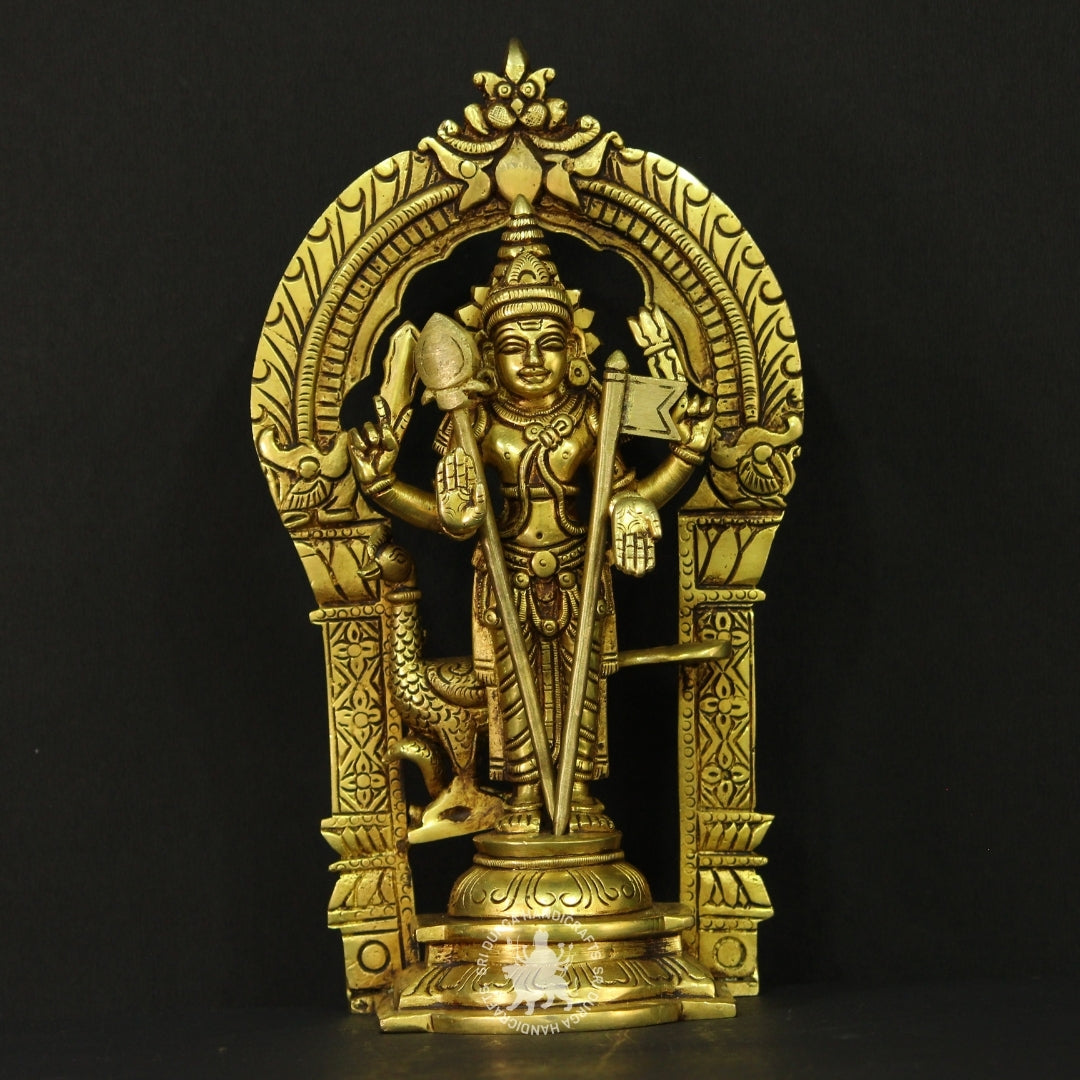
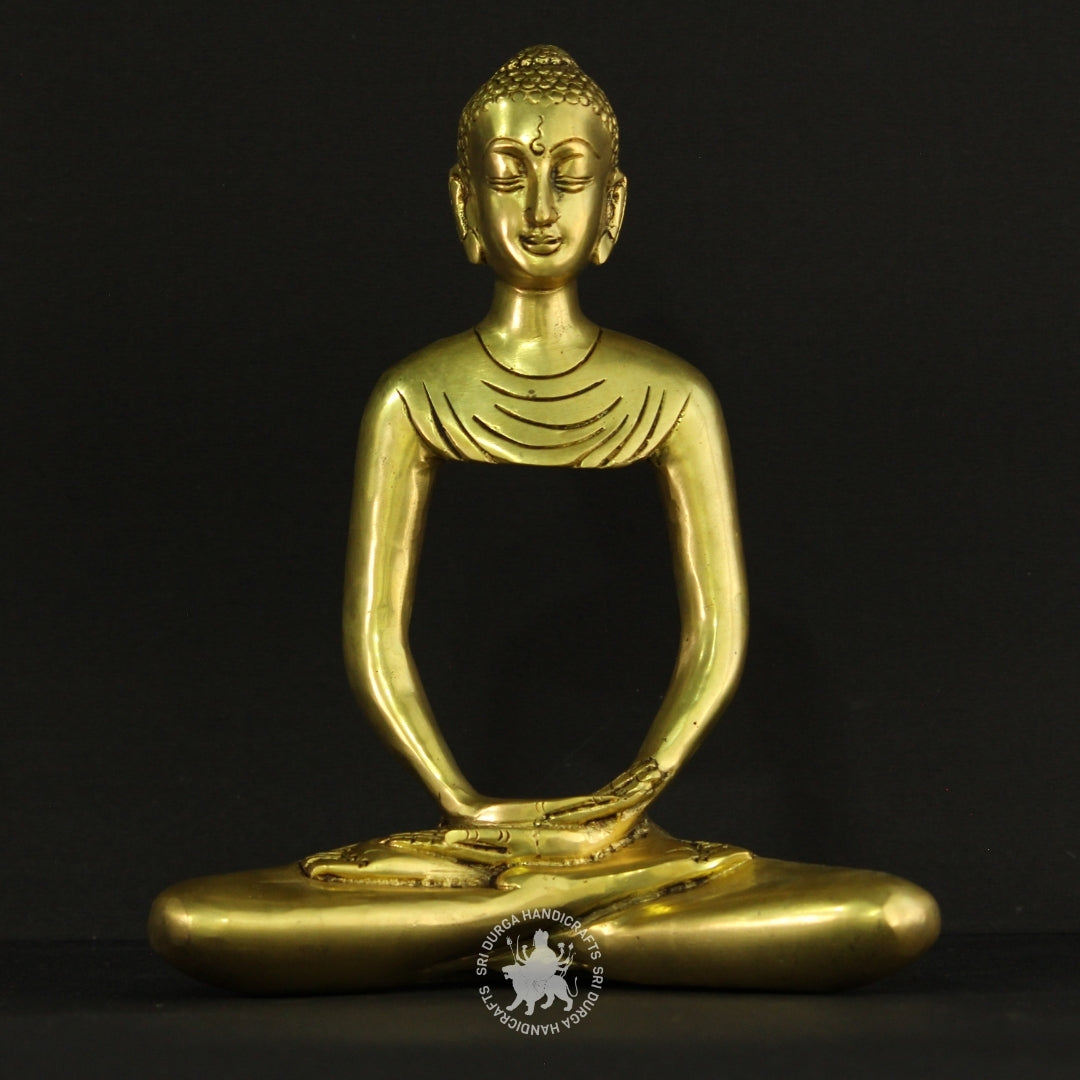
A photograph is flat; it's an image of a form, not the form itself. A brass idol has depth, weight, and dimension. You can walk around it, see how the light catches the folds of a saree or the curve of a trunk on a Ganesha murti from different angles throughout the day. This physical presence is part of why traditional worship (murti puja) has always favoured three-dimensional idols over two-dimensional images. There's something grounding about placing your hands on a solid, weighty object during prayer that a glass-covered frame just doesn't offer.
3. Ritual Practices Fit Idols Better
Many traditional pooja rituals are literally designed around a three-dimensional form. Abhishekam (ceremonial bathing with milk, water, or panchamrit), applying chandan or kumkum, and dressing the deity in tiny garments or jewellery are all rituals that need an idol to work properly. Try pouring milk over a framed photo, and you'll understand the problem immediately; you'd ruin the photo in seconds. Brass idols, being water-resistant and durable, are made precisely for this kind of hands-on worship.
4. Brass Has Its Own Spiritual and Practical Significance
In Vedic tradition, brass is considered an auspicious metal for worship, it doesn't rust like iron, and it's believed to have natural purifying properties. That's part of why brass kalash, bells, diyas, and idols have been a staple of Indian homes for centuries. There's also a practical layer here: brass idols are generally easy to clean with simple ingredients like tamarind or lemon, restoring their original shine even after years of use. A photo frame, once damaged, is usually just replaced; there's no "restoring" it.
5. Idols Age Beautifully; Photos Just Age
This is the part people don't talk about enough. A brass idol actually looks better with age in many cases. The metal develops a soft patina, a warm, aged glow that many families find beautiful and reassuring, a visible sign of years of devotion. A photograph, by contrast, only degrades. Sun exposure yellows it, humidity warps it, and eventually it simply looks tired rather than treasured.
6. Idols Feel More Personal and Intentional
Choosing a brass idol is rarely a quick decision. Families often spend time picking the right deity, the right size, the right craftsmanship; sometimes idols are handmade by artisans using traditional lost-wax casting techniques passed down through generations. That process of choosing and even commissioning an idol adds a layer of intention and personal connection that a mass-printed photo, bought off a shelf, rarely carries.
7. A Small Investment That Pays Off Over Time
Yes, a good brass idol costs more upfront than a photo frame. But when you factor in that a photo needs replacing every few years while a brass idol can last a lifetime, and even appreciate in sentimental and sometimes monetary value, the idol often turns out to be the more sensible long-term choice, not the more expensive one.
So, Which Should You Choose?
No rule says you can't have a photo in your pooja room; many people keep both, using photos for deities they don't have idols of yet. But if you're setting up a pooja room from scratch, or upgrading an old one, a well-crafted brass idol offers something a photograph simply can't: permanence, ritual compatibility, tactile presence, and a sense that this piece will still be sitting in your family's prayer space decades from now, quietly holding all those years of faith.
In the end, worship is deeply personal, and there's no wrong way to do it. But if you're weighing durability, tradition, and the emotional weight of what stays in your home for generations, the brass idol wins, hands down.