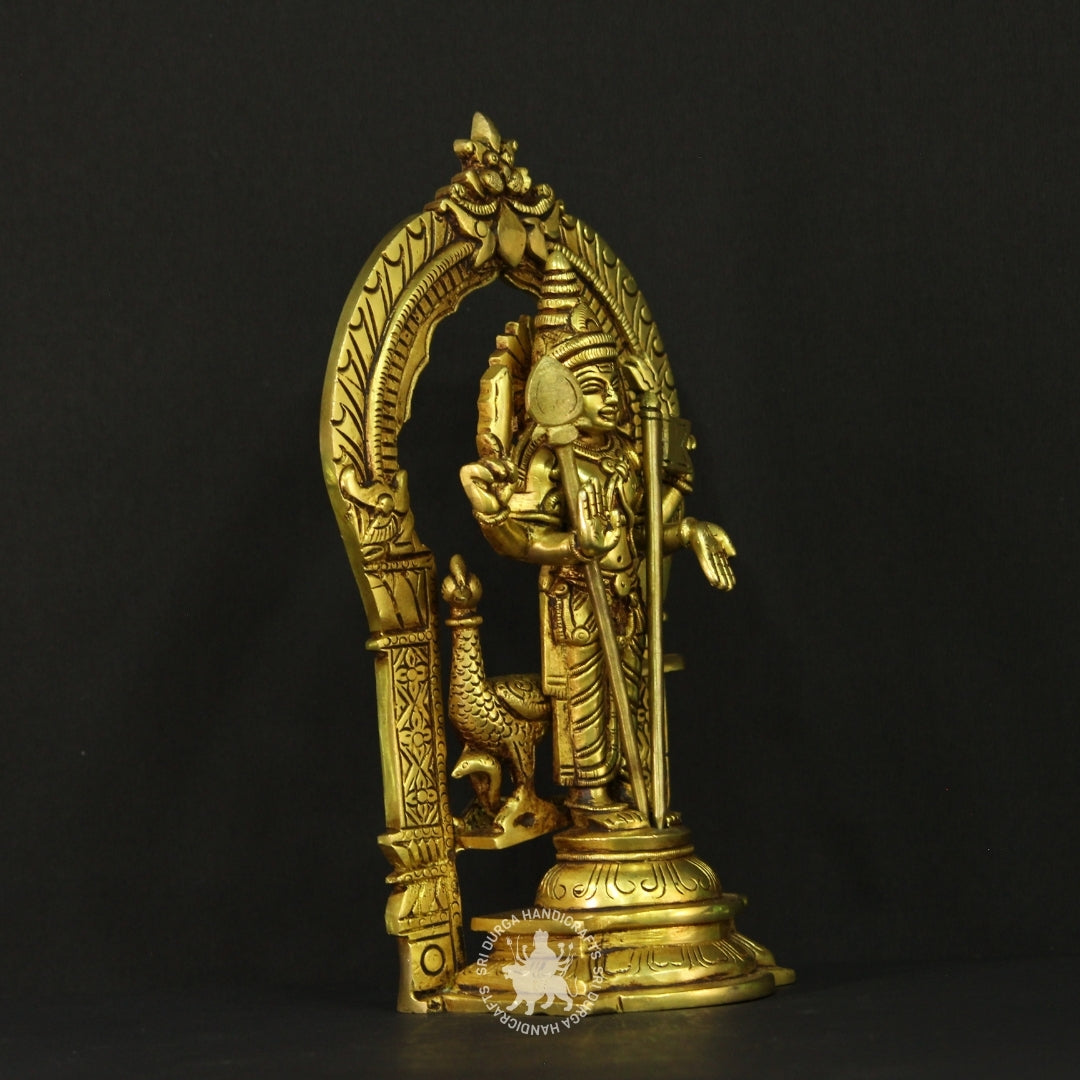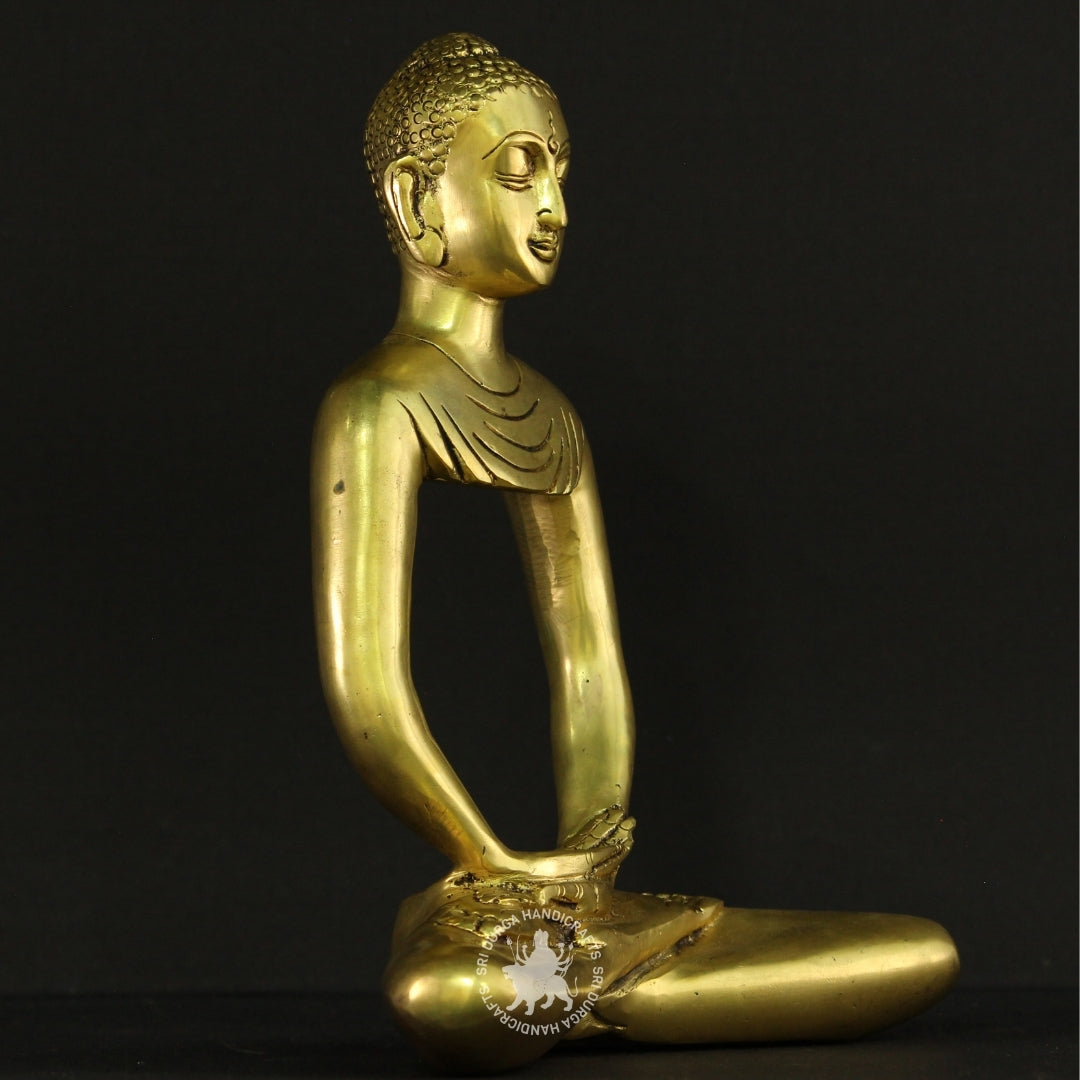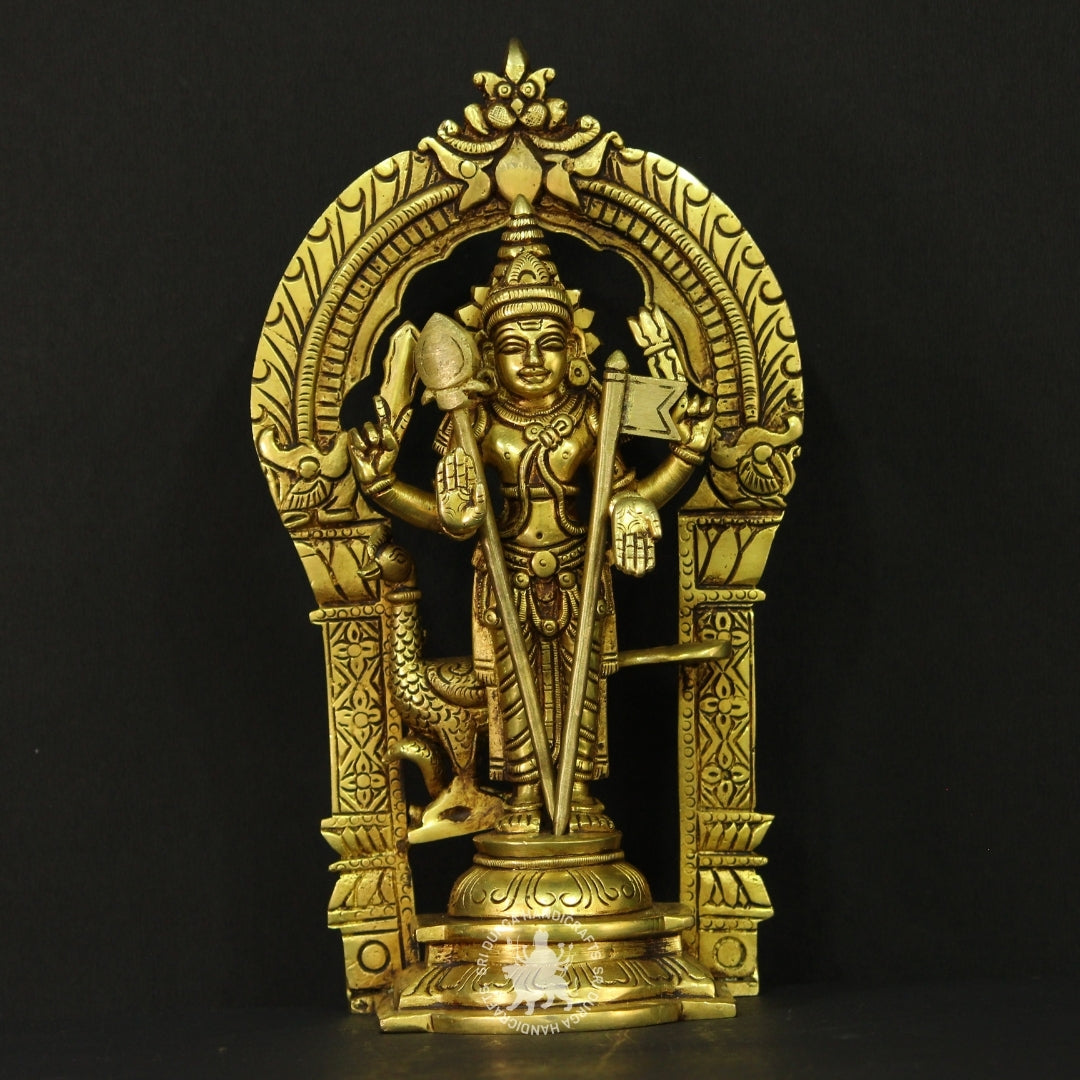

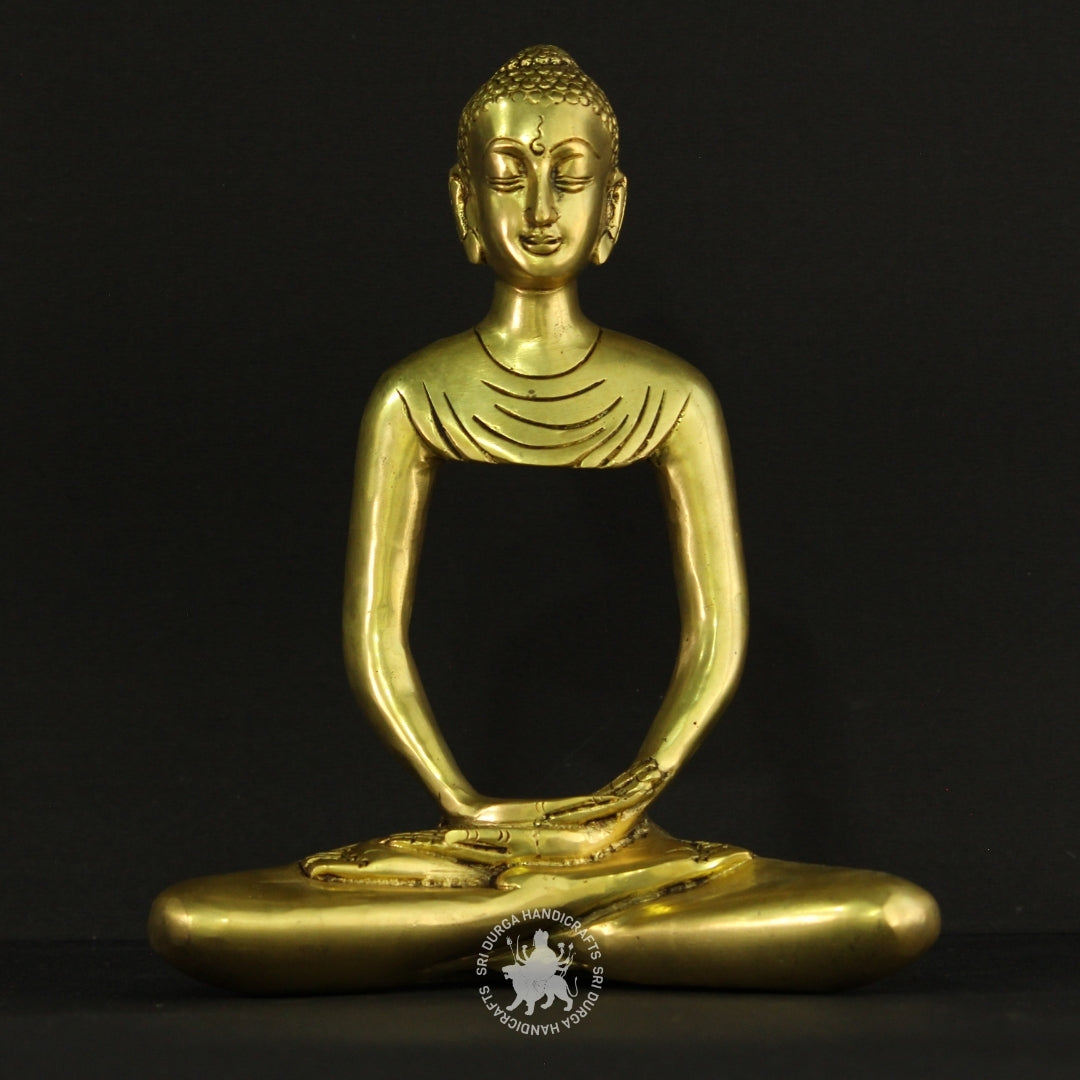

Walk into any modern office today, and somewhere between the laptop stand, the coffee mug, and the sticky notes, you'll spot something unexpected: a small brass idol sitting quietly on the desk. It could be a tiny Ganesha, a Buddha, or a Lakshmi figurine, catching the light near the monitor. A few years ago, this would have seemed out of place in a corporate setting. Now, it's becoming almost normal.
So what's going on here? Why are so many working professionals, from software engineers to sales managers, choosing to keep brass idols at their workspace? I got curious about this trend myself after noticing it on three different desks in my own office, and the answers I found were more layered than I expected.
It's Not Just About Religion Anymore
The obvious assumption is that this is purely a religious habit. And for many people, it is a small act of daily devotion, a way to feel connected to their faith even while stuck in back-to-back meetings. But talk to enough people, and you'll notice the reasons go beyond ritual.
For a lot of professionals, the desk idol has become something closer to a personal anchor. Work today is unpredictable, deadlines shift, targets change, and managers rotate. Having one small, unmoving object on the desk gives a strange sense of stability. It's not about praying five times a day; it's about having one fixed point in an otherwise chaotic environment.
The Rise of "Desk Spirituality"
There's a quiet cultural shift happening in workplaces, and people have started calling it desk spirituality, small, personal practices woven into an otherwise secular, target-driven day. A brass idol, a candle, a small plant, maybe a quote taped to the monitor. None of it is preachy or loud. It's private, low-key, and entirely personal.
Brass, in particular, seems to have become the material of choice. Compared to plastic or resin figurines, brass idols feel more permanent, more serious, and honestly, just nicer to look at under office lighting. There's also a cultural weight to brass; it's been used in Indian households for centuries for idols of Ganesha, Krishna, Lakshmi, Hanuman, and other deities. Bringing that same material into a workspace feels like carrying a piece of home into an unfamiliar setting.

Why Brass Specifically?
If you ask people why they picked brass over other materials, the answers are surprisingly consistent:
Durability, Brass doesn't chip, crack, or fade the way resin or plaster does. A desk idol gets bumped, moved, and occasionally knocked over during a stressful call. Brass survives all of that without looking worn out.
Aesthetic appeal, There's a warm, golden tone to brass that photographs and looks beautiful under artificial office lighting. It doesn't look cheap, and it doesn't look showy either, just quietly elegant.
Cultural association, in many South Asian households, brass idols have traditionally been used in daily worship. Choosing brass for the office isn't really a new habit; it's an extension of something people already grew up with.
Long-term value, unlike trendy desk decor that gets swapped out every few months, a brass idol tends to stay. People don't get bored with it. If anything, it becomes more meaningful with time.

A Small Ritual in a Big Workday
Here's something interesting: a colleague told me that she doesn't pray to her desk Ganesha in any formal way. She just glances at it before starting a big task, sometimes touches it lightly before an important call, and that's it. No incense, no elaborate ritual, just a two-second pause.
That two-second pause seems to matter more than people initially admit. In a workday packed with notifications, meetings, and constant multitasking, that tiny moment of stillness works almost like a micro-reset. It's less about religious belief and more about mental grounding, a psychological cue that says, "okay, take a breath, refocus."
The Workplace Is Getting More Personal
Offices have changed a lot in the last decade. Cubicles gave way to open floor plans, then to hybrid setups, and now to highly personalized desks where people bring in whatever makes them feel comfortable, photo frames, plants, fidget toys, and yes, brass idols.
This shift says something about how people view their work identity. The old idea of leaving your personal life completely at the door when you enter the office is fading. People want their workspace to reflect a bit of who they are outside of work, too, their beliefs, their roots, their sense of calm.
A brass idol on the desk fits perfectly into this new normal. It's not a loud statement. It doesn't demand attention from coworkers. It just sits there, small and steady, doing its quiet job of making the desk feel a little more like a personal space and a little less like just another cubicle.

Does It Actually Help With Productivity?
This is where things get interesting. Several professionals I spoke to swore that having a brass idol nearby genuinely helped them feel calmer during stressful days. Now, there's no scientific study proving that a brass Ganesha improves quarterly performance. But there is something to be said about the psychology of symbolic objects.
Small, meaningful objects on a desk can act as anchors for focus. Just like an athlete might touch a lucky bracelet before a match, a professional glancing at their desk idol before a big presentation might feel a small boost of confidence. It's less about the object itself and more about the ritual and meaning attached to it.
A Trend That's Quietly Here to Stay
Unlike passing desk trends, mini plants, stress balls, and essential oil diffusers, the brass idol trend doesn't seem to be fading anytime soon. If anything, it's growing, especially as more people work in hybrid setups where the office desk has become an extension of the home altar.
It also helps that these idols are now more accessible than ever. You don't need a big temple-style brass idol to make this work; smaller, desk-friendly versions of Ganesha, Buddha, Krishna, and other figures are widely available, designed specifically to sit comfortably next to a keyboard or monitor.
Final Thoughts
At its core, this isn't really about religion invading the workplace. It's about people wanting their workspace to feel a little more human, a little more personal, and a little more theirs. A brass idol on the desk is a small, quiet reminder of home, of faith, of calm, sitting right next to the chaos of daily work life.
Maybe that's exactly why more professionals are choosing to keep one nearby. In a world of deadlines and screens, sometimes all you need is one small, steady thing to look at and breathe.