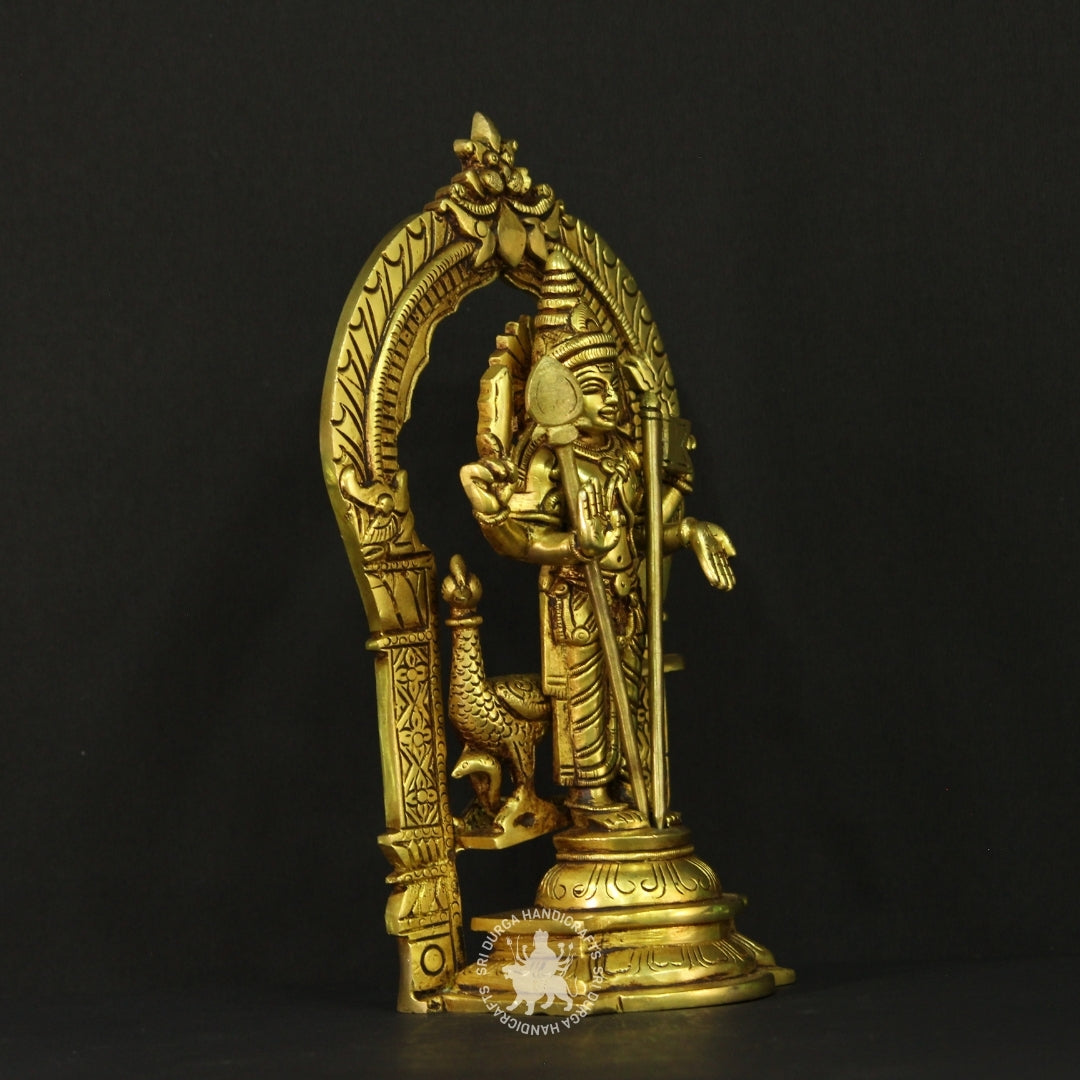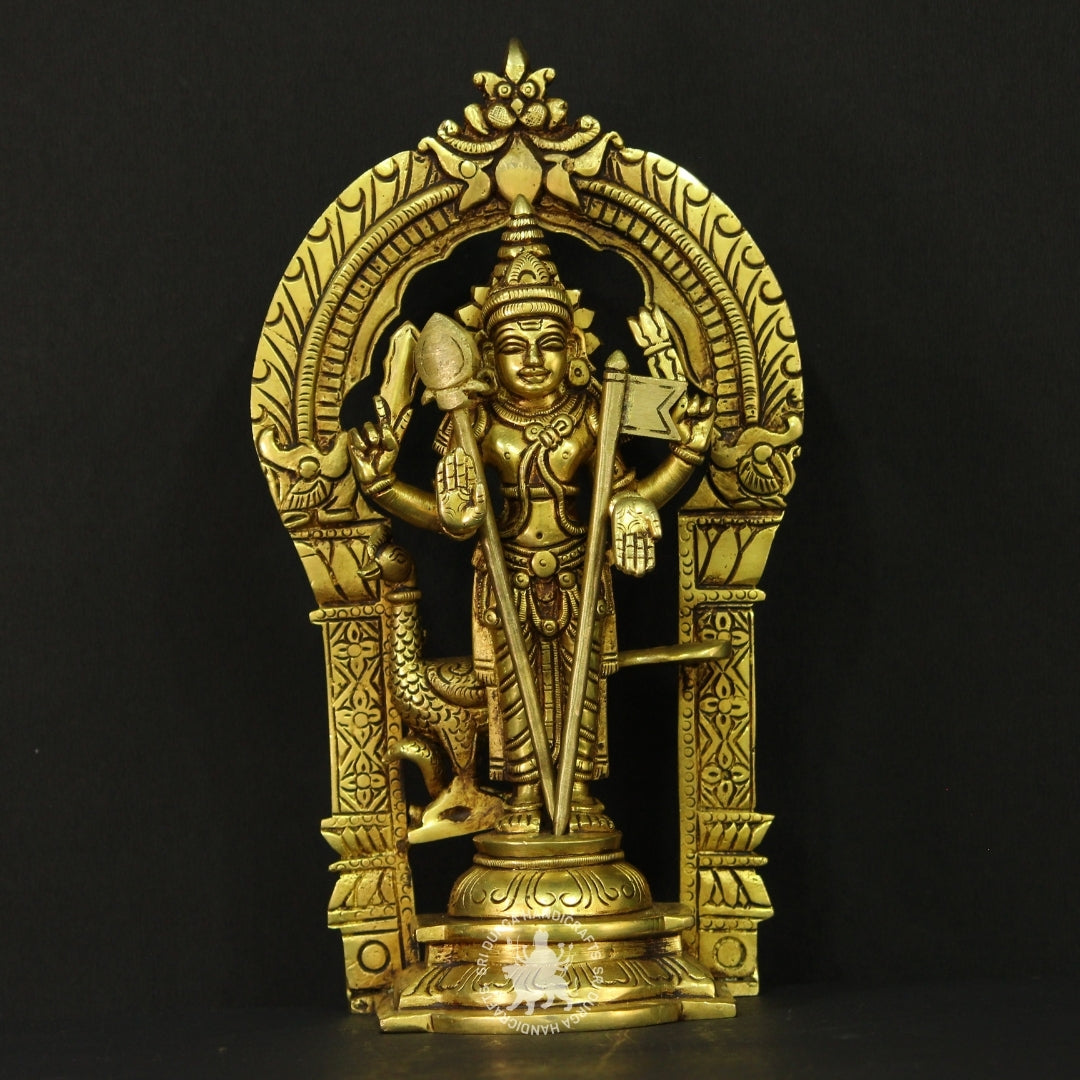


There's a particular kind of restlessness that settles in on a Friday evening when the lamp hasn't been lit yet. The chores might be done, dinner might be on the stove, and yet something feels unfinished, like a sentence without its final word. For millions of households across India, that missing word is the soft, flickering light of a brass lamp placed reverently before an idol of Brass Lakshmi. It isn't superstition so much as rhythm, a rhythm the week seems to wait for.
The Weight of a Simple Ritual
Friday, or Shukravar, is traditionally associated with Goddess Lakshmi, the deity of wealth, abundance, and grace. In many South Indian and Maharashtrian homes especially, this day carries a quiet significance that other weekdays don't. The Friday lamp lighting ritual isn't loud or elaborate. It's usually just a brass diya, some oil or ghee, a cotton wick, and a few minutes of stillness in front of the Lakshmi idol.
But that simplicity is exactly what makes its absence so noticeable. Skip it, and the evening feels off-kilter, like a room with a picture frame hanging crooked. Ask anyone who grew up watching a grandmother or mother do this every week, and they'll tell you: the Friday puja isn't about grandeur. It's about consistency.
Why Brass, Specifically?
There's a reason brass lamps have held their place in Indian homes for generations, even as decorative alternatives in glass, silver, or ceramic have flooded the market. Brass is considered an alloy that carries positive energy in Vedic tradition. It doesn't rust easily, it ages gracefully, developing a patina that many households consider a sign of a lamp "settling in" to a home.
There's also the sound and smell of it, the way a brass oil lamp catches light differently than other metals, throwing a warmer, steadier glow. When placed before a Brass Lakshmi murti, the metal-to-metal harmony is thought to amplify the ritual's sincerity. Whether one takes that literally or symbolically, the visual effect is undeniable: brass against brass, gold light against gold metal, creates a kind of quiet richness that other materials simply don't replicate.
The Emotional Anchor of Weekly Rituals
Psychologically, humans are wired for ritual and routine. Lighting a lamp every Friday isn't just a religious act, it's a marker of time, a small ceremony that separates one week from the next. It gives structure to days that might otherwise blur together.
For many, this evening lamp lighting becomes a moment of pause. Work stress, family responsibilities, endless notifications, all of it quiets down, if only for the few minutes it takes to strike a match, watch the wick catch, and stand before the Goddess Lakshmi idol in silence or soft prayer. This is why so many people describe the ritual not as an obligation, but as relief.
Skipping it doesn't just mean missing a religious observance. It means missing that built-in moment of stillness the week was quietly counting on.
A Symbol of Gratitude, Not Just Prosperity
While Lakshmi puja is popularly linked to wealth and prosperity, the Friday brass lamp ritual carries a deeper undertone of gratitude. Lighting the lamp is often less about asking for more and more about acknowledging what already exists, a home, a family, a roof, a meal. The lamp becomes a small, physical "thank you" offered at the end (or middle) of a long week.
This is perhaps why the ritual feels incomplete without it. It's not the wealth being sought that people miss when they forget, it's the acknowledgment. The pause. The small bow of the head that says, this week, too, we were taken care of.
Passed Down, Not Just Practiced
Ask around, and you'll notice this traditional Indian ritual is rarely something people started on their own. It's inherited, watched first as children, then quietly adopted as adults, often without anyone explicitly teaching the "how" or "why." The brass lamp itself is frequently a hand-me-down, sometimes decades old, carrying the fingerprints and firelight of generations before.
This inherited quality adds another layer to why Fridays without it feel hollow. It's not just a personal habit being broken; it's a thread to family history left dangling for the week.
Bringing the Ritual Into Modern Homes
Interestingly, even in busy, modern households where daily puja has become less frequent, the Friday Lakshmi lamp tradition tends to survive. It requires minimal time, no elaborate preparation, and yet delivers a disproportionate sense of order and calm. Many young professionals who've moved away from ancestral rituals still find themselves lighting a small brass diya on Friday evenings, sometimes without fully knowing why, only that the day feels lighter for having done it.
In this way, the ritual has quietly evolved from strict religious observance into something closer to a mindfulness practice, a five-minute act of grounding that just happens to be wrapped in centuries of tradition.
Final Thoughts
Fridays feel incomplete without the brass lamp lit before Brass Lakshmi not because of superstition, but because the ritual fills a need most people don't consciously name: the need for a pause, a gesture of gratitude, and a sense of continuity with the past. The soft glow isn't just light, it's punctuation at the end of a long week, and a reminder that some of the smallest habits carry the most weight.
Whether approached as devotion, tradition, or simple mindfulness, one thing remains true, once the lamp is lit, the week finally feels whole.